Produtos

Produtos

Produtos de comunicação SIP de parada única diretamente do fabricante

Todos os produtos

Pontos de contato

Pontos de contato

Fornecedor de comunicação especial industrial líder com casos globais ricos. Nossos projetos de energia de sistemas de despacho SIP e à prova de explosão ajudam seu parceiro confiável com sucesso comprovado.

Continuar a navegar

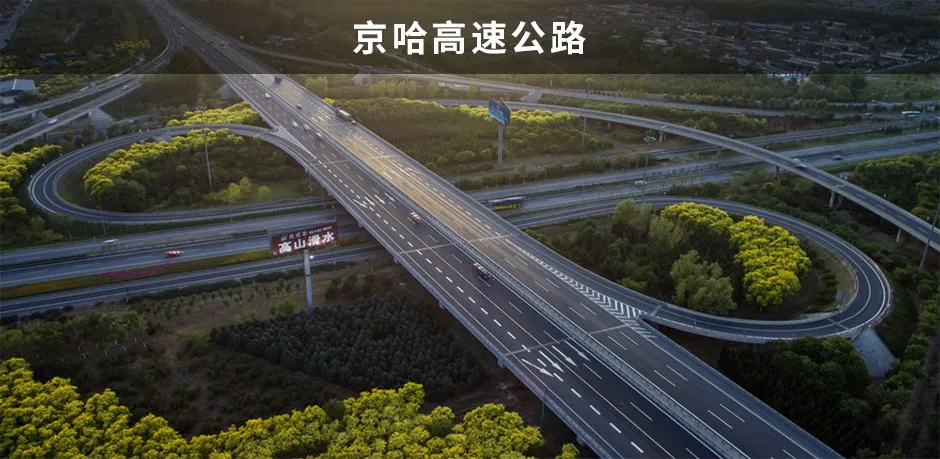
Transporte

Segurança pública

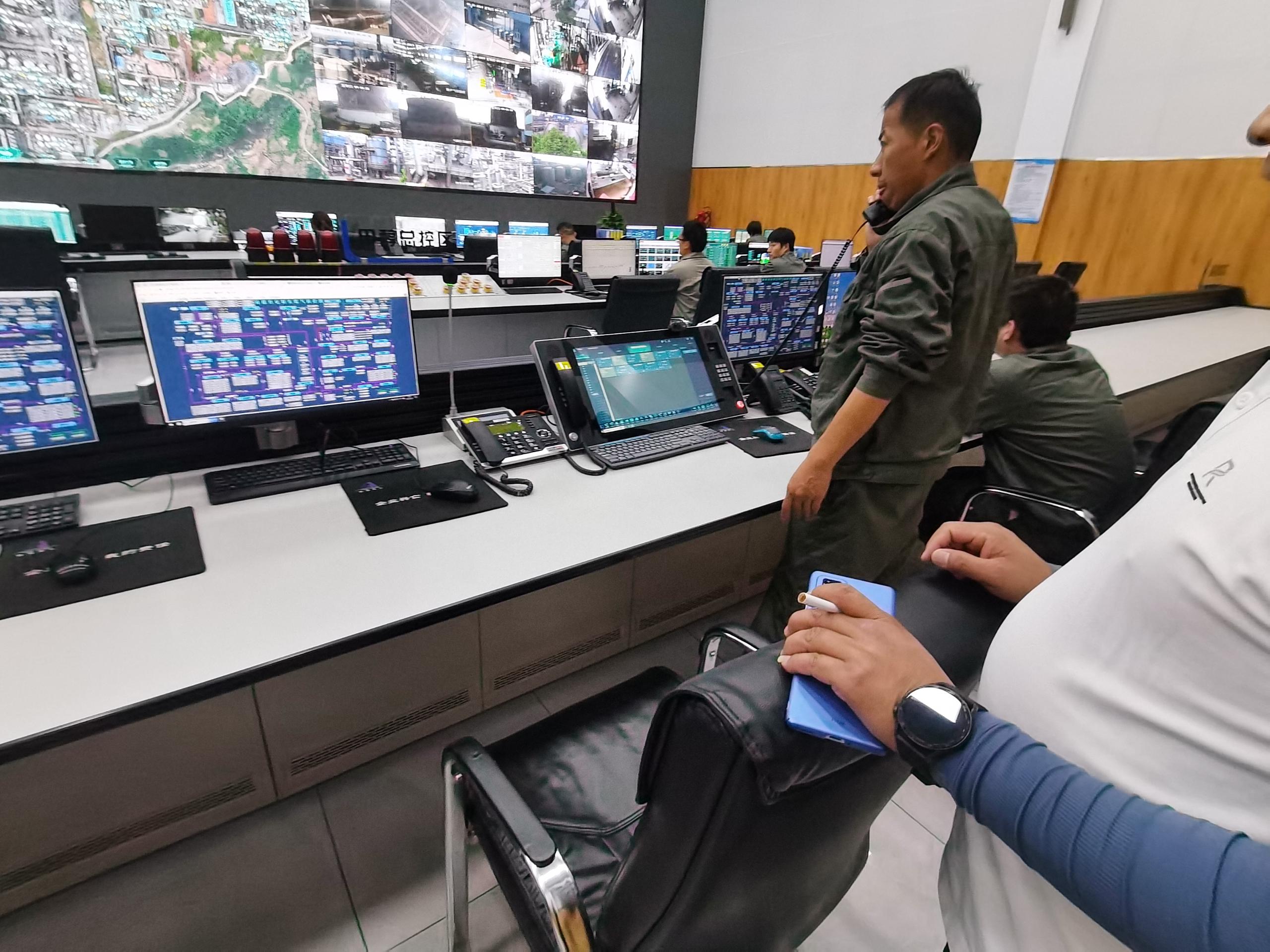
Indústria de Energia

Recursos

Recursos

Descubra as melhores práticas, explore soluções inovadoras e interaja com outros parceiros em toda a comunidade Becke.

Contacte-nos
Conhecimento
2026-03-08 09:53:04
Unified Communication Dispatch System: 20 Core Communication Capabilities for Modern Command and Control
Modern industries such as transportation, energy, public safety, and smart citie

Becke Telcom

Unified Communication Dispatch System: 20 Core Communication Capabilities for Modern Command and Control

Modern industries such as transportation, energy, public safety, and smart cities require reliable and unified communication platforms to coordinate operations and respond quickly to emergencies. A Unified Communication Dispatch System (UCDS) integrates multiple communication technologies—including telephony, radio dispatch, video, broadcasting, and messaging—into a single platform for centralized command and control.

By integrating traditional and next-generation communication networks, the system allows operators to communicate with people, devices, and field teams through one unified interface. Technologies such as Session Initiation Protocol, Public Switched Telephone Network, and WebRTC play important roles in enabling seamless interoperability between different communication systems.

This article introduces 20 essential communication capabilities that a modern unified communication dispatch system should provide.

Voice Communication Capabilities

1. SIP-Based VoIP Calling

Voice over IP is the foundation of modern communication systems. Using Session Initiation Protocol, the dispatch platform can establish voice calls between IP phones, softphones, and communication terminals.

Key features include:

  • Internal voice calling
  • External voice calling
  • Call routing and call forwarding
  • VoIP trunk integration

This capability enables organizations to replace traditional telephone infrastructure with flexible IP-based communication.

2. PSTN Interconnection

Even though VoIP is widely used, many organizations still rely on the Public Switched Telephone Network for external communication.
A unified dispatch system can connect to PSTN networks through:

  • FXO gateways
  • E1/T1 digital trunks
  • VoIP gateways

This ensures communication between IP systems and traditional telephones.

3. Emergency Voice Communication

Emergency calling is a critical feature in command systems.
Typical emergency communication functions include:

  • One-touch emergency call
  • Priority call routing
  • Automatic call recording
  • Emergency call escalation

These functions are widely used in tunnels, highways, factories, and public facilities.

4. Group Voice Communication

Group communication allows dispatchers to communicate with multiple users simultaneously.
Common functions include:

  • Group call
  • Broadcast call
  • Conference call
  • Paging

This capability is essential for coordinating large teams in field operations.

Radio Communication Integration

5. Digital Radio Dispatch Integration


Unified communication platforms often integrate professional radio systems such as Digital Mobile Radio and Terrestrial Trunked Radio.


These systems are widely used in:

  • Public safety
  • Transportation
  • Industrial plants
  • Utilities

The dispatch platform connects radio users with telephone users through radio gateways.

6. Push-to-Talk Communication

Push-to-Talk (PTT) enables instant voice communication similar to walkie-talkies.
Key benefits include:

  • Instant call setup
  • Group communication
  • Low latency voice transmission

PTT is commonly used in security operations and emergency response.

7. Cross-Network Communication

Unified communication dispatch systems allow communication across different networks, including:

  • IP networks
  • Radio networks
  • cellular networks
  • satellite communication systems

This capability ensures seamless communication across organizations and geographical locations.

Broadcasting Capabilities

8. IP Public Address Broadcasting

Modern dispatch systems integrate IP-based broadcasting systems.

Using streaming technologies such as Real-time Transport Protocol, the system can transmit live audio to distributed speakers.

Applications include:

  • Campus announcements
  • Factory broadcasting
  • Transportation hub announcements

9. Emergency Broadcast

Emergency broadcasting allows the system to deliver urgent messages across an entire facility.

Typical uses include:

  • Fire alarm announcements
  • Disaster evacuation instructions
  • Industrial hazard alerts

This feature is critical in industrial environments.

10. Scheduled Broadcasting

The system can schedule automated broadcasts at specific times.
Examples include:

  • School bells
  • shift change announcements
  • daily operational notices

Automation reduces manual workload for operators.

Video Communication Capabilities

11. Video Calling

Modern dispatch platforms support video communication between terminals.
Protocols such as H.323 and WebRTC enable real-time video interaction.
Video communication improves situational awareness during incident response.

12. Video Monitoring Integration

Unified dispatch systems can integrate IP camera networks using standards like ONVIF.
Operators can:

  • view live camera feeds
  • control PTZ cameras
  • link video with alarms

This creates a unified command center environment.

13. Video Conference

Dispatch platforms often support multi-party video meetings.
This feature is useful for:

  • remote coordination
  • emergency command meetings
  • operational briefings

Messaging and Data Communication

14. Instant Messaging

Text messaging allows quick information exchange between operators and field personnel.

Functions include:

  • private messaging
  • group messaging
  • status notifications

15. SMS Integration

Dispatch systems may connect to telecom messaging services such as Short Message Service.

This allows:

  • alarm notifications
  • operational alerts
  • emergency notifications

SMS remains reliable even when data networks are congested.

16. Device Status Monitoring

The system continuously monitors communication terminals and infrastructure.

Examples include:

  • terminal online status
  • network health monitoring
  • fault detection

Real-time monitoring ensures system reliability.

Emergency and Alarm Communication

17. SOS Emergency Call Integration

Emergency call terminals installed in public areas can connect directly to the dispatch center.

Typical locations include:

  • highways
  • tunnels
  • airports
  • tourist sites

These terminals allow people to request assistance quickly.

18. Alarm System Integration

Unified dispatch platforms can integrate with various alarm systems such as:

  • fire alarm systems
  • gas detection systems
  • intrusion detection systems

When alarms occur, the system automatically notifies operators and triggers communication workflows.

Mobile Communication Capabilities

19. Mobile Dispatch Applications

Mobile applications allow field personnel to connect to the dispatch system through smartphones.

Using modern mobile networks like 5G, users can access:

  • voice calls
  • video calls
  • push-to-talk communication
  • GPS positioning

This greatly improves field coordination.

20. Location and GPS Integration

Location services allow dispatchers to track the real-time position of personnel and vehicles.
Benefits include:

  • faster emergency response
  • improved resource allocation
  • enhanced operational visibility

Conclusion

A modern unified communication dispatch system combines multiple communication technologies into a single integrated platform. By supporting voice, radio, video, broadcasting, messaging, and mobile communication, the system enables efficient coordination and rapid response in complex operational environments.
Industries such as transportation, energy, manufacturing, and public safety increasingly rely on unified communication platforms to enhance operational efficiency and ensure reliable communication during emergencies.
As communication technologies continue to evolve, unified communication dispatch systems will play an even greater role in building intelligent and resilient infrastructure for the future.

Rótulo:


A Becke Telcom é especializada em comunicações industriais à prova de explosões para os setores ferroviário, túnel, petróleo e gás e marítimo, oferecendo telefones PAGA, SOS e IP com PA, interfone e chamadas integradas.


Copyright © 2012-202Becke Telcom Todos os direitos reservados

Deixe sua mensagem

Se você tiver alguma sugestão ou dúvida para nós, não hesite em entrar em contato conosco!

We use cookie to improve your online experience. By continuing to browse this website, you agree to our use of cookie.

Cookies

Please read our Terms and Conditions and this Policy before accessing or using our Services. If you cannot agree with this Policy or the Terms and Conditions, please do not access or use our Services. If you are located in a jurisdiction outside the European Economic Area, by using our Services, you accept the Terms and Conditions and accept our privacy practices described in this Policy.
We may modify this Policy at any time, without prior notice, and changes may apply to any Personal Information we already hold about you, as well as any new Personal Information collected after the Policy is modified. If we make changes, we will notify you by revising the date at the top of this Policy. We will provide you with advanced notice if we make any material changes to how we collect, use or disclose your Personal Information that impact your rights under this Policy. If you are located in a jurisdiction other than the European Economic Area, the United Kingdom or Switzerland (collectively “European Countries”), your continued access or use of our Services after receiving the notice of changes, constitutes your acknowledgement that you accept the updated Policy. In addition, we may provide you with real time disclosures or additional information about the Personal Information handling practices of specific parts of our Services. Such notices may supplement this Policy or provide you with additional choices about how we process your Personal Information.


Cookies

Cookies are small text files stored on your device when you access most Websites on the internet or open certain emails. Among other things, Cookies allow a Website to recognize your device and remember if you've been to the Website before. Examples of information collected by Cookies include your browser type and the address of the Website from which you arrived at our Website as well as IP address and clickstream behavior (that is the pages you view and the links you click).We use the term cookie to refer to Cookies and technologies that perform a similar function to Cookies (e.g., tags, pixels, web beacons, etc.). Cookies can be read by the originating Website on each subsequent visit and by any other Website that recognizes the cookie. The Website uses Cookies in order to make the Website easier to use, to support a better user experience, including the provision of information and functionality to you, as well as to provide us with information about how the Website is used so that we can make sure it is as up to date, relevant, and error free as we can. Cookies on the Website We use Cookies to personalize your experience when you visit the Site, uniquely identify your computer for security purposes, and enable us and our third-party service providers to serve ads on our behalf across the internet.

We classify Cookies in the following categories:
 ●  Strictly Necessary Cookies
 ●  Performance Cookies
 ●  Functional Cookies
 ●  Targeting Cookies


Cookie List
A cookie is a small piece of data (text file) that a website – when visited by a user – asks your browser to store on your device in order to remember information about you, such as your language preference or login information. Those cookies are set by us and called first-party cookies. We also use third-party cookies – which are cookies from a domain different than the domain of the website you are visiting – for our advertising and marketing efforts. More specifically, we use cookies and other tracking technologies for the following purposes:

Strictly Necessary Cookies
These cookies are necessary for the website to function and cannot be switched off in our systems. They are usually only set in response to actions made by you which amount to a request for services, such as setting your privacy preferences, logging in or filling in forms. You can set your browser to block or alert you about these cookies, but some parts of the site will not then work. These cookies do not store any personally identifiable information.

Functional Cookies
These cookies enable the website to provide enhanced functionality and personalisation. They may be set by us or by third party providers whose services we have added to our pages. If you do not allow these cookies then some or all of these services may not function properly.

Performance Cookies
These cookies allow us to count visits and traffic sources so we can measure and improve the performance of our site. They help us to know which pages are the most and least popular and see how visitors move around the site. All information these cookies collect is aggregated and therefore anonymous. If you do not allow these cookies we will not know when you have visited our site, and will not be able to monitor its performance.

Targeting Cookies
These cookies may be set through our site by our advertising partners. They may be used by those companies to build a profile of your interests and show you relevant adverts on other sites. They do not store directly personal information, but are based on uniquely identifying your browser and internet device. If you do not allow these cookies, you will experience less targeted advertising.

How To Turn Off Cookies
You can choose to restrict or block Cookies through your browser settings at any time. Please note that certain Cookies may be set as soon as you visit the Website, but you can remove them using your browser settings. However, please be aware that restricting or blocking Cookies set on the Website may impact the functionality or performance of the Website or prevent you from using certain services provided through the Website. It will also affect our ability to update the Website to cater for user preferences and improve performance. Cookies within Mobile Applications

We only use Strictly Necessary Cookies on our mobile applications. These Cookies are critical to the functionality of our applications, so if you block or delete these Cookies you may not be able to use the application. These Cookies are not shared with any other application on your mobile device. We never use the Cookies from the mobile application to store personal information about you.

If you have questions or concerns regarding any information in this Privacy Policy, please contact us by email at . You can also contact us via our customer service at our Site.